When the Council Rewrote the Covenant: Authority They Never Had
A teaching on Acts 15 and the danger of replacing Yahweh’s Law with man’s reasoningBible TeachingBible Study
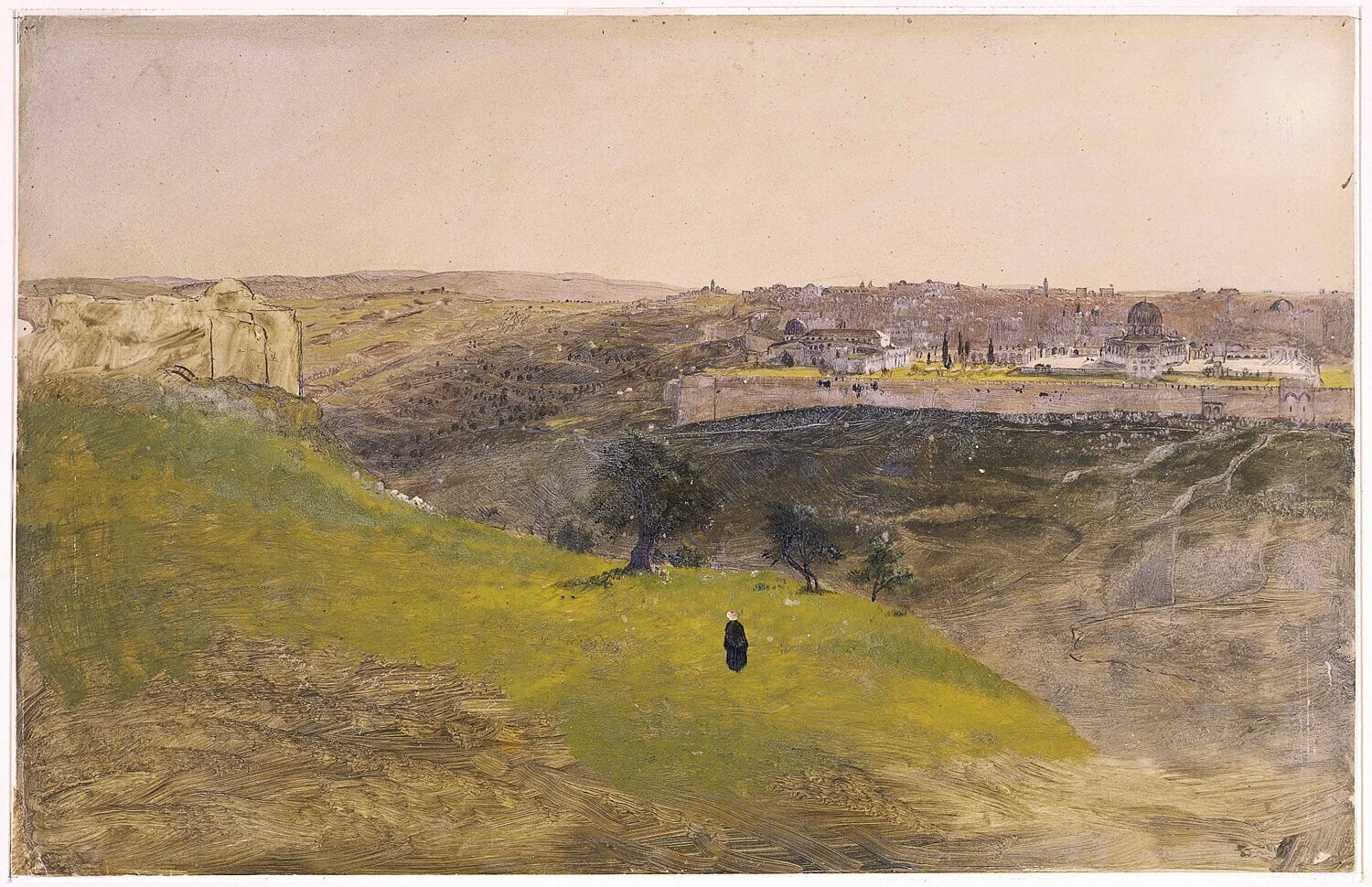
Jerusalem from the Mount of Olives by Frederic Edwin Church, American
Introduction
When the first wave of Gentiles came into the faith, the leaders of the Jerusalem Council were faced with a decision— and let’s be honest, it was not a decision Yahweh told them to make—but one they took upon themselves; without a word from the Spirit, without a visitation from Yahushua, without a prophet or a confirmation from Scripture—they decided which parts of Yahweh’s Law still applied.
These men took it upon themselves to rewrite the expectations of Covenant. And to this day, the choices they made— that singular decision has shaped a Christianity that calls itself faithful, while rejecting the basics of covenant, the very commands that define Yahweh’s people.
Personally, I believe that everything is YHWH’s plan. Did spreading a gospel based on grace without works or effort spread faster than demanding people follow the Law? Obviously. And maybe, (my guess), it’s time to set the record straight.
What Was the Council in Acts 15?
The council convened in Jerusalem after “certain men from Judea” taught that Gentile believers must be circumcised and keep the Law of Moses in order to be saved. The controversy stirred debate, and a group—including Paul and Barnabas—was sent to Jerusalem to discuss the issue.
The decision that came out of the council was this:
That Gentile believers should abstain from:
food offered to idols
blood
things strangled
sexual immorality
No mention of Shabbat.
No mention of covenant commands.
No mention of Yahweh’s appointed feasts.
And no call to keep the Law of Moses—Yahweh’s covenant instructions, that Yahushua fulfilled.
“I am YHWH, I shall not change.”
Paul & Barnabas Were Not There as Apostles
It’s important to note: Paul and Barnabas were not invited to Jerusalem as authoritative apostles. They were called as witnesses by the council to testify as to what they had seen among the Gentiles.
Why is this important? Because if we call Paul an apostle because he was there, then we must also call Barnabas an apostle—which even Paul later rejects (1 Corinthians 9:6 makes a distinction).
They were guests at the table, and not among the rulers of the Apostolic Council.
Even more revealing—Paul would later be brought back before the elders in Jerusalem because of the uproar caused by his behavior and false teachings. This is not the trajectory of a Spirit-led apostle. It’s the pattern of someone misrepresenting the message of the Messiah. Just the type of behavior we were warned about by Yahushua ha’Mashiach.
John Was Absent or Silent — And That Speaks Volumes
John, the beloved disciple of Yahushua—the one who was closest to His heart—is completely absent from the record in Acts 15. He is neither quoted, named, nor seen. If John was present, his silence would be strange. If he was not present, that raises even more questions.
Why was the apostle who stood at the foot of the cross not included in the most pivotal decision of the early assembly?
Peter speaks. James rules. Paul and Barnabas testify.
But John—the disciple of love, who followed Yahushua closely—is left out, and in light of this fact, his letter, 1 John, makes a lot more sense.
This suggests that what happened in that room did not align with Yahushua’s voice—and those most aligned with His Spirit weren’t part of the decision.

Entrance to the church of the Holy Sepulchre (Kenisset el Kijame) Jerusalem by Binder, Tony | c. 1903
A Decision Made Without YHWH
As far as we know, And I just have to imagine that if it were true, we would’ve been told otherwise, but there was no vision had by anyone.
No angel appeared from heaven.
No burning bush.
No voice from Heaven.
No confirmation from the Law or the Prophets.
The entire decision was made by human reasoning—faulty reasoning.
They even said:
“It seemed good to the Holy Spirit and to us. . .” (Acts 15:28)
But how do we know that it was the Holy Spirit? Because they felt it? Because it sounded right? Is that the scriptural test? Where is the voice of Yahweh? Where is the consistency with Torah? Where, in the Gospels, did Yahushua ever give guidance to abolish the Torah?
You understand, that if we go by this logic, then we’re to believe that when David has an affair with Bathsheba—that it was a good idea, too? Why? Because it felt like a good idea to him. Feelings do not determine scripture, Yahweh determines Scripture, the Word, Yahushua ha’Mashiach, but certainly not feelings.
Is this really the standard of Scripture? Does this really seem to follow Yahushua’s teachings to you?
YHWH Never Changes
Yahweh doesn’t lower His standard to make keeping covenant easier.
“I am YHWH, I shall not change.”
— Malachi 3:6, ISR
In other words, He’s not going to demand obedience of people for thousands of years, and then turn around and not demand the same thing of us!
And by the way, “fulfilling the law,” does not mean we throw it all into the trash bin. It means, Yahushua kept the Law perfectly, because no matter how we try, we never will be able to!
The pattern throughout Scripture is always the same:
Yahweh calls His people
They repent and enter covenant
They learn and walk in His ways, not perfectly, but while desperately seeking the will of Yahweh
They grow in obedience and holiness
They share their faith with others
There is no biblical precedent for lowering expectations for gentiles in an effort to make the faith more, “accessible.” In fact there’s the opposite:
Ruth didn’t stay a Moabitess—she said, “Your people shall be my people, and your Elohim my Elohim” (Ruth 1:16).
Caleb didn’t remain a Kenizzite outsider—he was fully integrated into Israel.
Rahab didn’t continue living by Canaanite customs—she joined Yahweh’s people in fear and obedience.
Abraham…
Sarai…
Moses…
I mean honestly, not once!
But the council in Acts 15 decided that Gentiles could be grafted in without obedience, without the Law, that they could become part of the Body without walking in the Covenant YHWH had always demanded.
They just threw out the bits they found unnecessary—and every worthless religion after them followed in the same way. And that was never Yahweh’s way. Never.
(Refer again to Malachi 3:6).
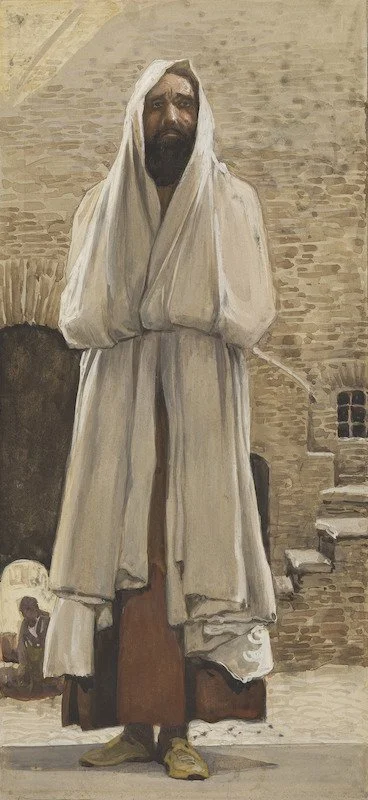
The Prophet Malachi
They Replaced the Voice of the Father with the Reasoning of Men
This is the most dangerous kind of leadership: men with good intentions resulting in horrible consequences, all while being led by spiritual “impressions” and “feelings”.
Men who took it upon themselves to speak on behalf of Yahweh, without ever testing the spirits or returning to the Torah and/or the prophets.
Had they done this, they would have reached a different conclusion.
They made it easier for Gentiles to become members of a club—but in doing so, they broke the Covenant pattern of Yahweh. They rejected the weight of Yahweh’s instruction for the sake of unity and making things easier. But Yahweh never asked them to do that. Obedience has never been optional.
“Let us hear the conclusion of the entire matter: Fear Elohim and guard His commands, for this applies to all mankind.”
— Ecclesiastes 12:13, ISR
“Applies to all mankind.”
In Closing
What happened in Acts 15 was not the fulfillment of prophecy—it was the beginning of compromise.
Well-meaning men, under pressure to make faith more accessible, silenced the voice of the Covenant God and elevated their own insufficient reasoning.
But Yahweh never changes. His standard never shifts. And He never asked for His commands to be made easier for a bunch of slackers—only that we would love Him enough to obey.
As followers of Yahushua, we are not called to blend truth with comfort. We are called to return. To repent. To walk as He walked. And to conform to His Law—not force His Law to conform to us.
If the council’s decision does not align with the Torah, the Prophets, or the Messiah Himself, then it is not the foundation we build on. PERIOD. End of story.
The true covenant was never rewritten—it was just forgotten. But now, Yahweh is calling His people back to worship in Spirit and in Truth (John 4:23–24).
So, who will you honor?
Who will you obey?
GRACE Method
And Here We Find Grace…
GRACE perfectly encapsulates the transition from striving, to resting, in God's presence—which is at the heart of the message. Grace is the unmerited favor of God, and it's through His grace that we are able to move from struggle to peace. I invite you to pause and reflect on God's presence, how you can connect to God’s grace in a meaningful way.
Our GRACE Method™ is meant to encourage you so you can experience YHWH, Immanuel, and the Holy Spirit, in a deeper way, on a regular basis, through thought provoking Bible Study, Prayer, education, and Worship.
G — Ground Yourself in Scripture
Read:
Acts 15
Exodus 12
Matthew 5
Deuteronomy 4
Ask yourself: did Yahweh ever give authority to reduce His Law?
R— Reflect on Context
What pressures were present in the early church?
Were leaders motivated by Truth—or fear of losing converts?
A — Apply to Your Life
Have you accepted a version of the gospel that requires no obedience
What areas of Yahweh’s instruction have been edited out of your walk to make your life easier?
C — Commune with God
Ask Yahweh to show you the fullness of His covenant.
Repent of any areas where you’ve accepted man-made tradition in place of His eternal Word.
E — Exalt the Messiah
Yahushua is the Living Torah. To follow Him is to walk in the same obedience He walked.
Exalt Him not just in worship—but in how you walk.
Share Your Faith
Pray aloud:
I choose Yahweh! I choose to return to the Covenant of my Messiah! I reject every voice that tells me Yahweh’s commands no longer apply. I follow Yahushua—not a version of Him molded by councils and compromise. I choose the narrow road of obedience, the road of life. In Yahushua’s Mighty Name I pray,
Amen + Amen!
You May Also Enjoy …

Search More on Becoming Hope
Like this topic?
Use the search bar below to explore related devotionals, studies, and reflections across Becoming Hope.
Find everything on this theme—and more.
Because His Word never runs dry. There’s always more to discover.
Fuel the Mission – Just like a warm cup of coffee fuels the body, your support fuels our mission to share God’s Word with the world. Every contribution helps cover the costs of running this ministry—keeping Bible study resources, articles, and printables free for everyone, regardless of income or resources. Your generosity allows us to continue creating faith-filled content, ensuring that no one is hindered from deepening their walk with Christ. If you’ve been blessed by what you’ve found here, consider helping us fuel the mission so we can keep spreading His truth far and wide.


If you’ve been watching Amazon’s new show House of David, you might have some of the same questions I do. The series makes several references to King David’s childhood, including the claim that he was a bastard. Like many productions, it takes creative liberties with Biblical history—but it’s crucial that we turn to Scripture to understand the truth of God’s Word.